Core Banking Migration
Moved a lender off its legacy loan system onto Apache Fineract, with a reconciliation trail Finance could check before anything moved.
- 455 source tables inventoried
- 810K+ ledger records reconciled
- 12/12 data domains matched
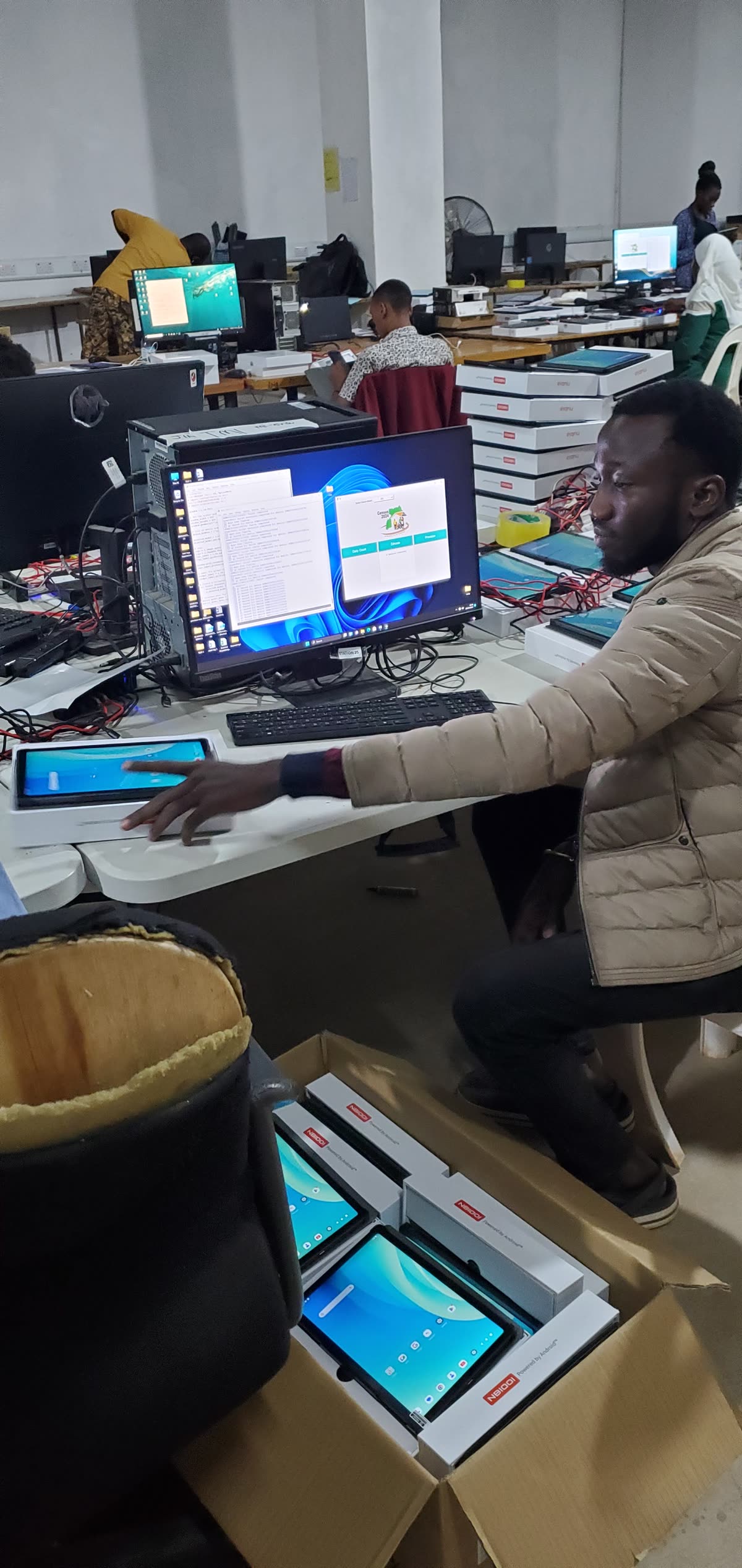
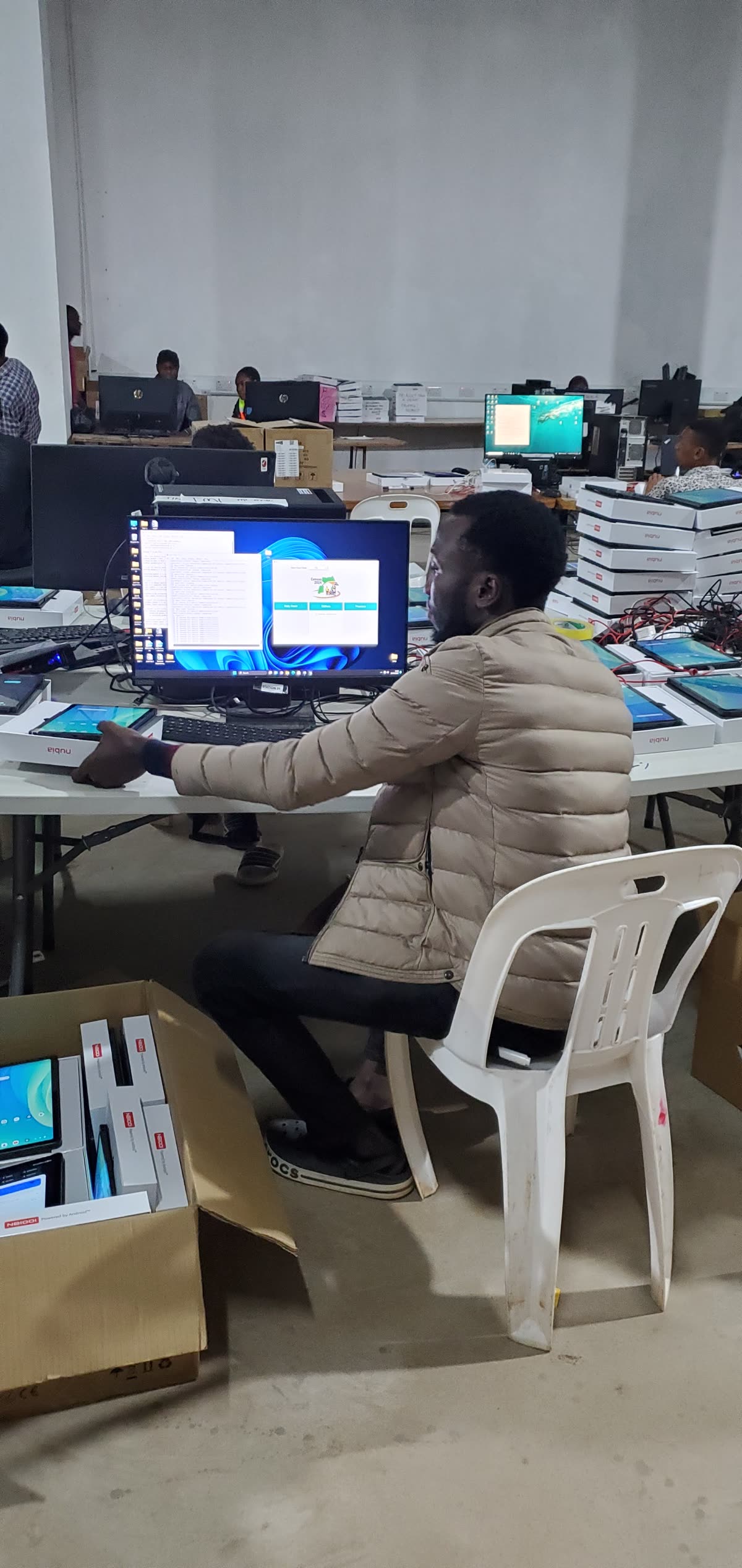
I started in field support on Uganda’s digital census, preparing devices and fixing problems where the work happened. That taught me to judge a system by how it behaves in real operations.
At Nova Microfinance I run the core-banking platform and much of what surrounds it. I led the move off the legacy loan system, corrected the financial reports and built the management dashboards. I now lead the payments, collections and fleet-tracking work, and the lender’s side of a climate-insurance pilot. When the business has a gap that no product covers, I design and build the tool myself; when the work belongs to a vendor or developer, I write the specification and see it through.
Alongside that role I build my own products, including Credixa, a core-banking platform for microfinance institutions and SACCOs. The approach stays the same across all of it: find out what the system is doing, make the evidence visible, and leave behind something the team can run safely.
0 IT initiatives tracked
Twelve pieces of work, from moving a lender onto a new core-banking system to fleet control, payments, climate insurance and my own products. Each card shows where the work stands today, and live work links to the running system. Sensitive details are summarized.
Moved a lender off its legacy loan system onto Apache Fineract, with a reconciliation trail Finance could check before anything moved.
Found why the financial reports were wrong (the balance sheet showed negative assets), corrected them, and fixed the payment routing that was distorting key accounts.
Showed that a live payment app was marking transactions complete before the money arrived, by mapping it from the outside when no source code was available.
Replaced late, conflicting spreadsheets with dashboards for each management role and a daily report directors can rely on.
Built the working memory that lets AI assistants help safely: verified tools, past incidents and system findings that appear when the work needs them.
Linked each financed motorcycle to its loan and its GPS tracker, so staff can see which bikes are at risk. Remote immobilisation stays a controlled prototype and works only on parked bikes.
Building a hub that records each mobile-money payment and payout against the right loan exactly once, and checks every transaction with the provider. It runs in the provider’s sandbox; nothing is live yet.
Designed due-date collections for financed motorcycles. Each rider gets a mobile-money payment request at set daytime hours; if the day stays unpaid, the bike locks once it is parked and unlocks as soon as the rider pays. A dry run and a small pilot come next.
Leading the lender’s technical work in a donor-backed pilot that gives borrowers climate insurance paying out on weather triggers. The link between loans and cover keeps borrower identities private, and now waits on the insurer’s test environment.
My own core-banking and lending platform for microfinance institutions and SACCOs, with a hub for payments, SMS and reconciliation, plus a separate buy-now-pay-later demo.
Designed the systems for a 100-bike electric-motorcycle financing pilot: rider accounts, GPS tracking, mobile-money collections and payment prompts at battery-swap stations. No code yet; partner APIs are pending.
Built the ticketing system for a fundraising dinner. Guests request seats online, the team issues branded QR tickets after payment, and each ticket admits one guest at the gate.
Each early initiative carries its current evidence state. These tracks remain in research or product development; no completed pilot or commercial traction is claimed.
A phone- and browser-first approach to property evidence, guided remote viewing and due-diligence workflows in Uganda.
Explore the initiative →A disciplined way to move a venture from customer pain to a measurable pilot, with proof gates before major spending or public claims.
See the proof gates →Research into practical capture, review and handoff workflows for property teams using devices people already have.
Read the current direction →A core-banking and lending platform for microfinance institutions, SACCOs and asset financiers, built on Apache Fineract 1.14 with a hub for payments, SMS and reconciliation. A seeded demo runs today on Vercel and Railway; no paying customers are claimed.
See the product sheet → Open the demo sign-in →These relationships have different meanings: employer systems, client delivery, technical integration and proposal-stage exploration. Each is labelled by its current evidence.
As IT Officer, I work across core banking, reporting, payment reconciliation, user support, communications, data controls and fleet-linked finance operations.
Partnership discussions around payment and wallet-deduction rails. A Nova-owned hub now maps XCEL collections and payouts to Fineract loans and passes 84 automated tests against the sandbox; live payments wait on vendor-side fixes and production credentials.
A field-sales, inventory, delivery, service, commission and reporting platform built through Legitimo Tech Solutions. Commercial closeout and portfolio permission remain open.
Operational workflow, people-system and equipment-sourcing concepts for an electric-mobility environment. The available artefacts comprise proposals and an interactive operations-centre concept; production deployment remains unverified.
I lead Nova's technical work on a climate-resilience pilot: the BlockBima API evaluation, and a local layer that links Fineract loans to parametric cover with pseudonymised borrower data. No vendor sandbox exists yet, so nothing runs in production.
Ticketing and gate check-in for the Dignity For Her fundraising dinner: online seat requests, branded QR tickets and one-scan admission at the gate.
My work grew from field support and data quality into designing, building and running connected financial systems.
Runs the core-banking platform and the reporting built on it, and leads the payments, collections, fleet-tracking and partner-integration work around it. Led the move off the legacy loan system and the correction of the financial reports; now building a mobile-money payments hub and automated due-date collections.
Kept mobile-payment and school-partner records clean and accurate, and built live dashboards that showed how partner schools used the service.
Prepared and supported field devices for the national digital census, resolved user problems and checked the accuracy of digital records.
Continued professional development includes Cisco Certified Network Associate (CCNA), Cisco data science, Python and machine-learning training, cybersecurity awareness, agile project management and data analytics.
Outreach on the national ICT roadmap and innovation challenges, connecting young people to digital-transformation programmes.
Coding workshops and peer-learning sessions for students and early-career developers, and membership of the IEEE Uganda Section.
Each capability feeds the next: knowing the operation shapes the data, the data exposes the fault, and the system I build keeps the fix in place.
Work I take on directly, from connected hardware through to the reporting layer above it. Available for partnership, contract or in-house delivery. For the platforms themselves, see the product catalogue.
Tap-to-share contact and profile cards built on programmable NFC/RFID tags, with the landing profile hosted and updatable without reprinting the card.
Keyless vehicle access and remote enable/disable, designed so the safe state is the default and every command leaves an audit trail.
Asset registers, rider and vehicle assignment, trip history and utilisation reporting, built to reconcile with the finance system rather than sit beside it.
Device integration, location and event pipelines, geofencing and provider-agnostic connectors, so a change of hardware vendor is a configuration change.
Staff records, leave, attendance and payroll-adjacent workflows, with the approval chain and evidence trail built in rather than bolted on.
Role-scoped dashboards and scheduled management reporting on a defined metric layer, so two people asking the same question get the same number.
Source cataloguing, field mapping, reconciliation and cutover validation, with the evidence Finance needs to sign off before anything moves.
Apache Fineract and Mifos X setup: products, charges, accounting rules and GL mappings configured and proven on a test tenant before they touch production.
Collections from mobile-money and bank channels matched to accounts and posted to the core system, with a reconciliation sweep for anything that does not land.
SMS and WhatsApp delivery for reminders, receipts and alerts, built to work with any provider so a gateway change is not a rewrite.
Durable operating memory for AI-assisted engineering: verified tooling registers, incident history and rules that surface at the point of work rather than in a wiki.
Systems review, vendor and integration assessment, data-quality audits and a written path from where a system is now to where it needs to be.
Customer and staff-facing portals, internal tools and the dashboards that sit over them, built on the systems underneath rather than beside them.
Certificate evidence is linked where supplied. Formal study is listed under Experience.
Eleven-day public speaking adjudication course · score 59/80
View certificate →
Completed and certified. Certificate file not published on this site.
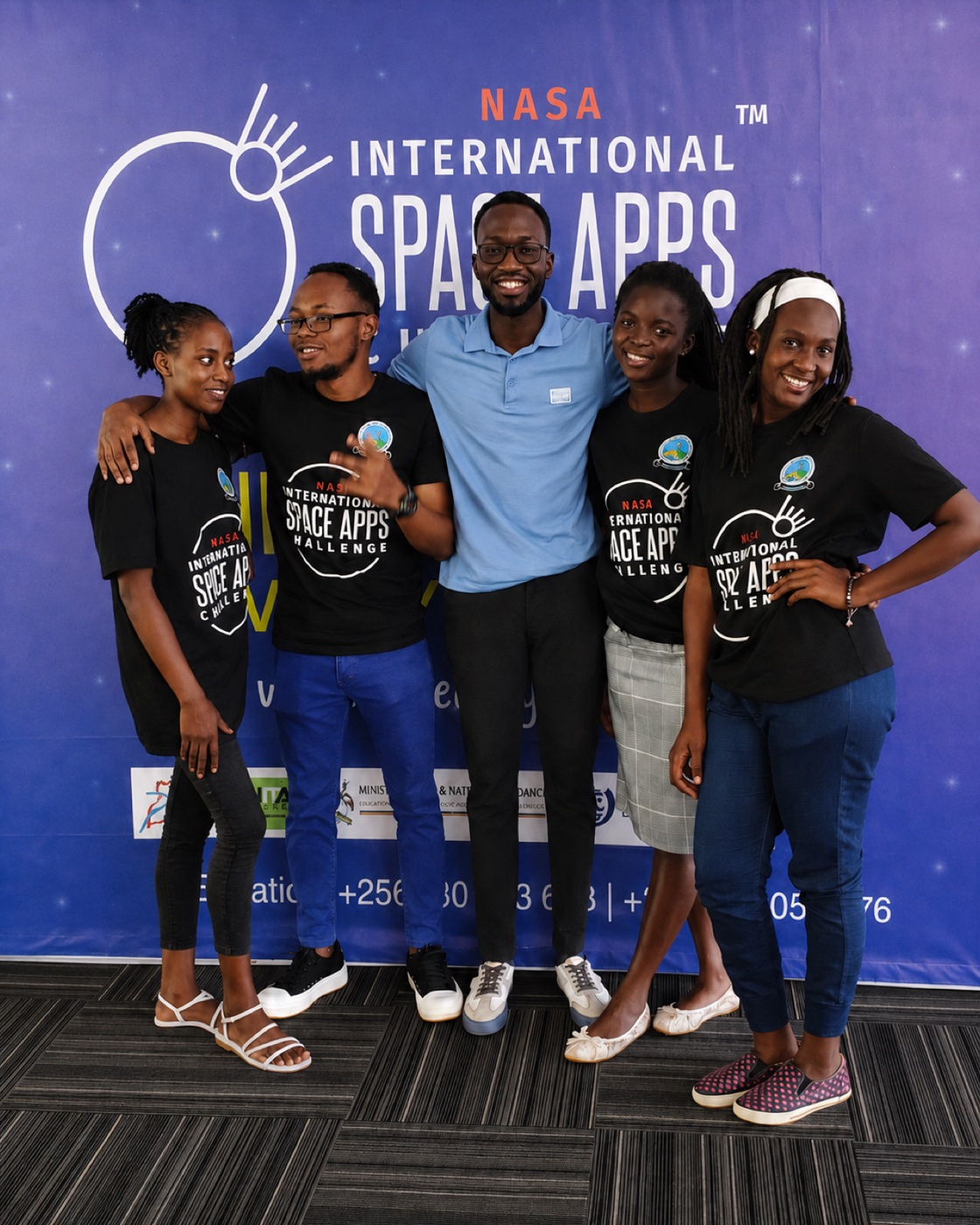
Global hackathon judged by NASA and partner space agencies; the Galactic Problem Solver award recognises the top projects at a local host site.
A merged documentation change to Microsoft's open curriculum repository.
The technologies and practices behind the work above, chosen for the problem at hand.
Writing on technology operations, Uganda's developer ecosystem, financial inclusion and lessons earned while building.
Sixteen original posts, revisited as four connected stories about building for people and everyday business in Uganda.
Hackathons, developer conferences and an IP workshop: what four rooms in Kampala taught me about scoping and calibration.
It was installed. Configured. Documented. Scheduled. And it had never run once.
Moving a knowledge base without touching a single reference, and the three silent failure modes that come with it.
Most teams document the fix. Recording what did not work turned out to be the more valuable half.
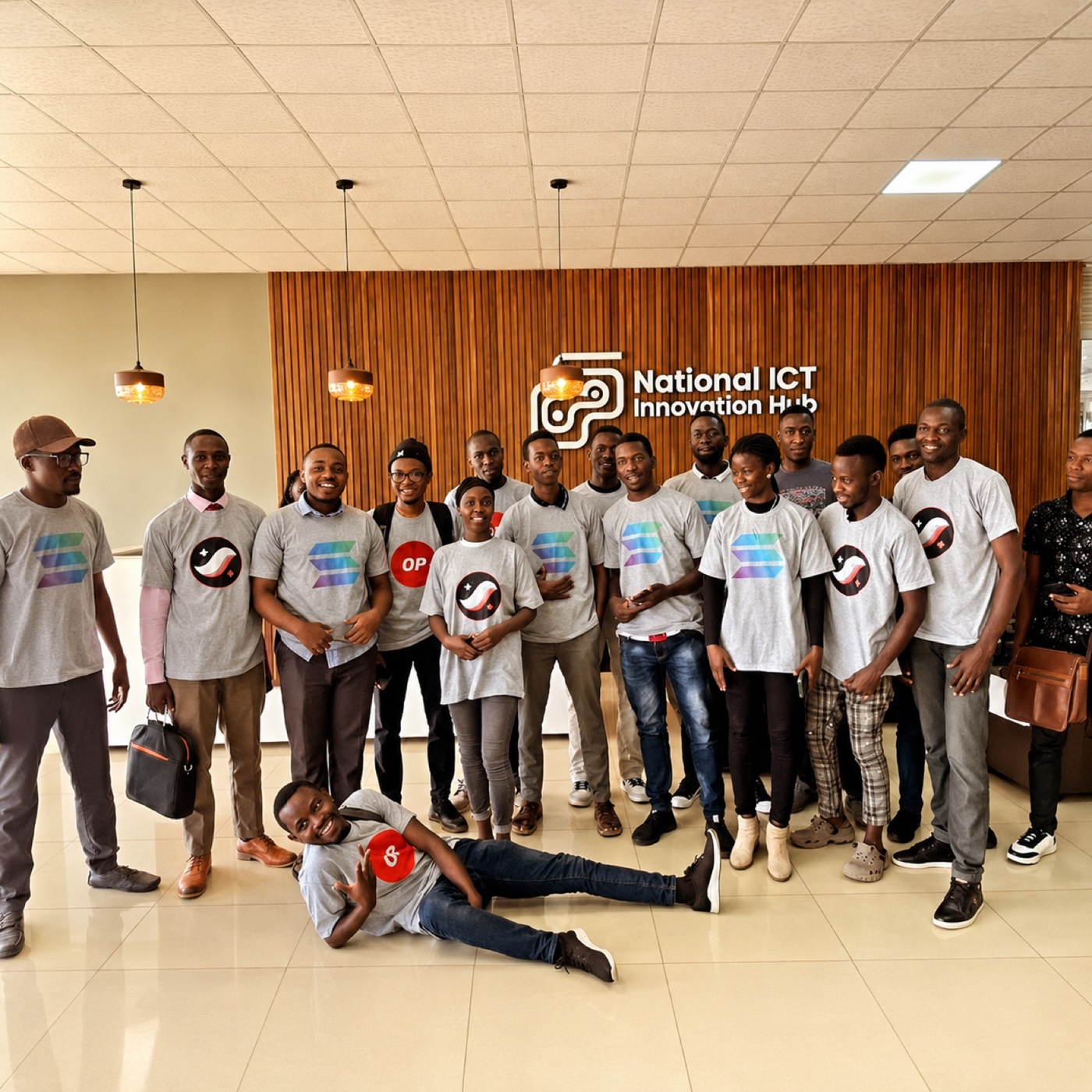
Selected moments from developer, innovation and intellectual-property communities in Kampala.
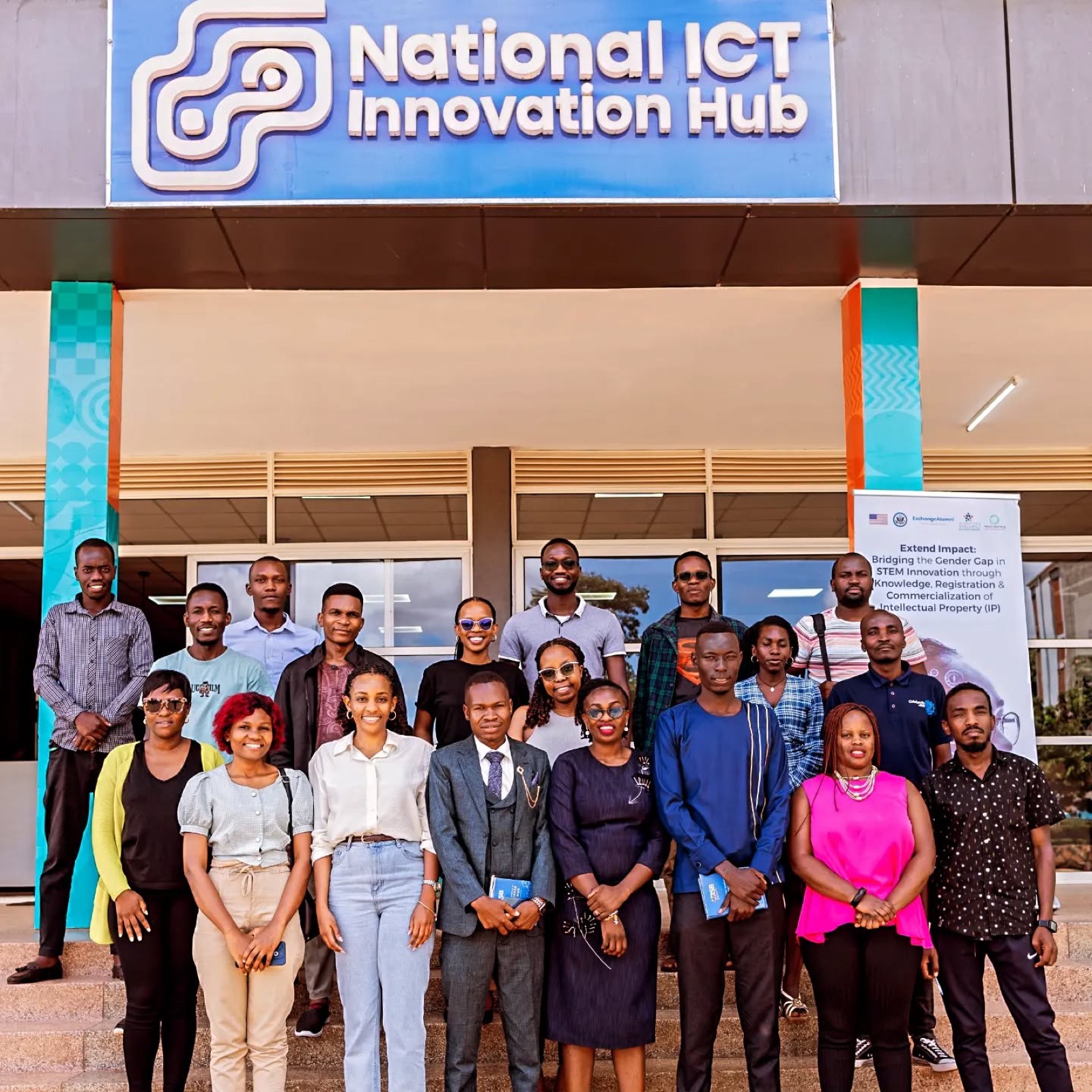
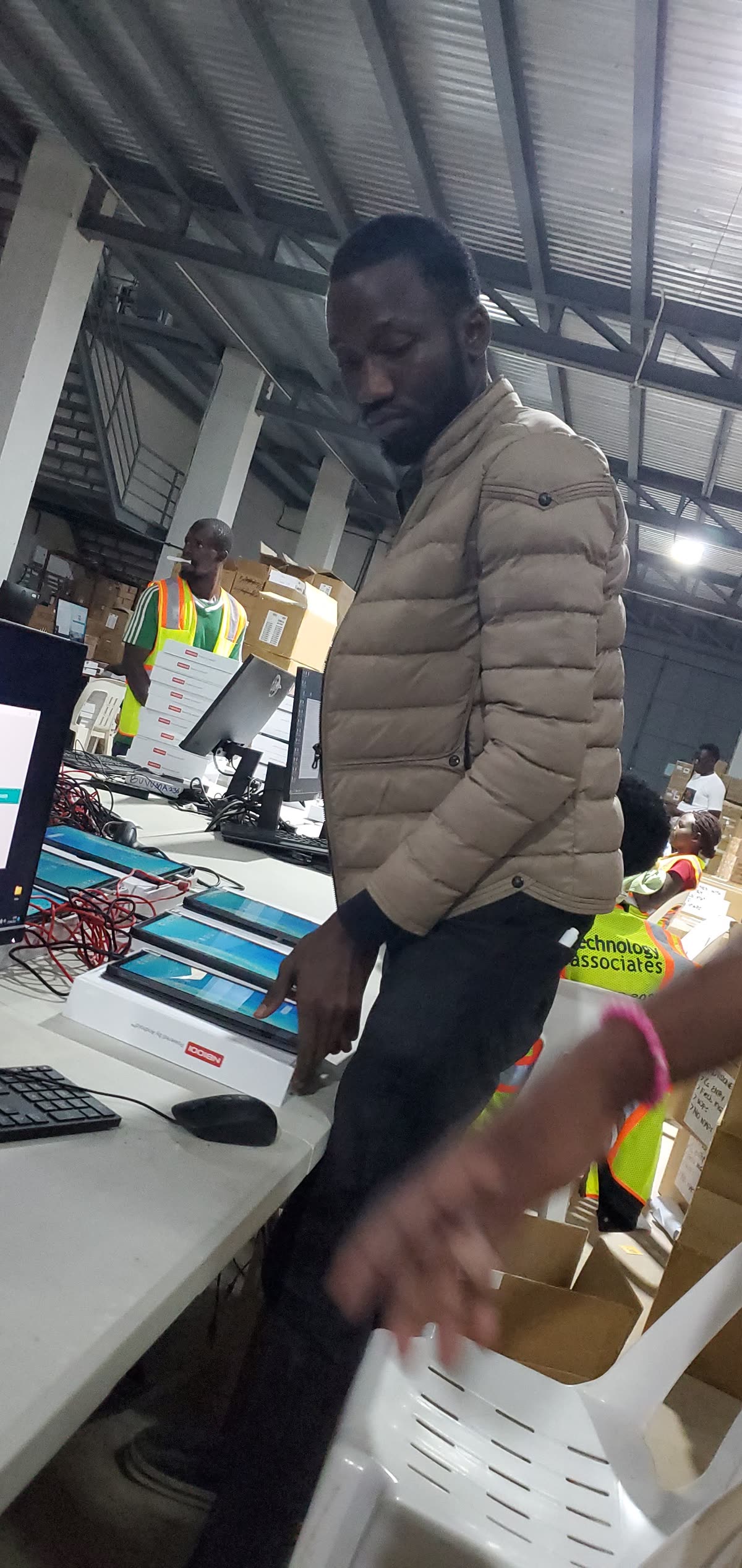
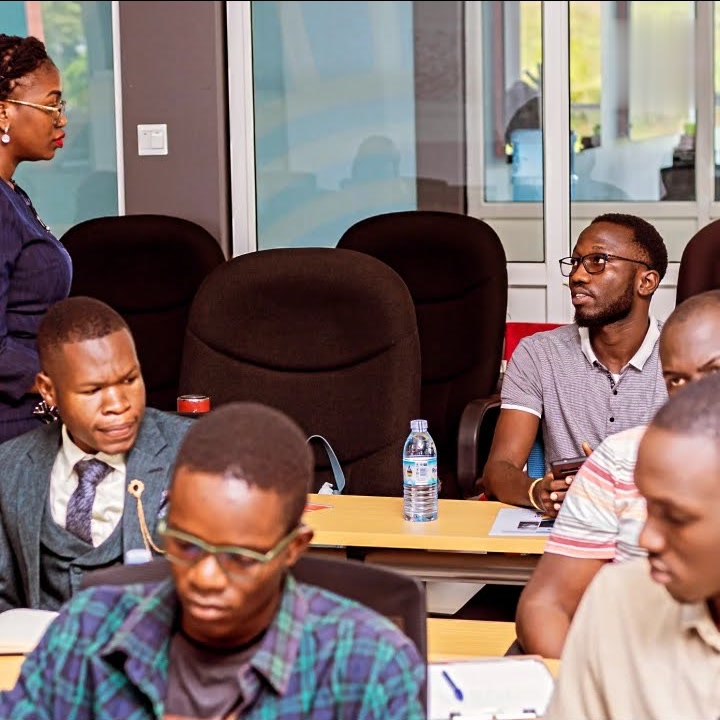
Configuration and readiness work around a large tablet deployment, alongside participation in an intellectual-property session at the National ICT Innovation Hub.
I'm interested in fintech, fleet and e-mobility systems, payments and operational data, where reliability matters as much as the interface.
For business systems, payments, integrations, data or fleet-technology work, reach me directly.
Kampala, Uganda